
MovementLab Class
Building strength, movement skills and confidence through play.
MovementLab is a small-group physiotherapy programme for children who would benefit from developing their strength, balance, coordination, body awareness and confidence in movement.
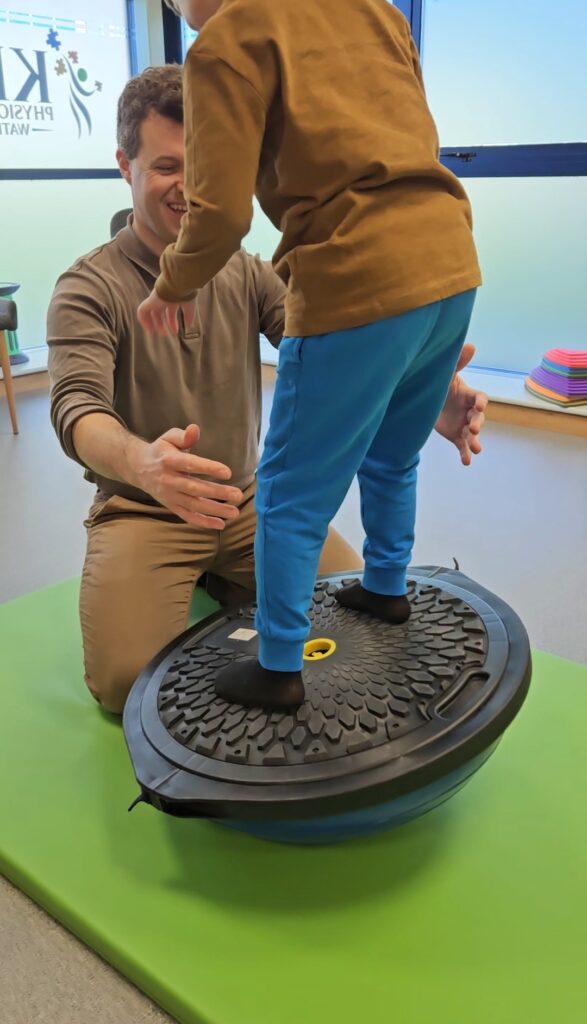
Sessions are playful, engaging and pressure-free, but behind the scenes each activity is guided by physiotherapy principles and adapted to the children taking part.
Who is MovementLab for?
MovementLab may be particularly helpful for:
-
Children who find coordination, balance or motor skills challenging.
-
Children who appear less confident in movement or avoid physical activity.
-
Children who find it difficult to keep up with peers in sport or playground activities.
-
Children who tire more easily during physical activities.
-
Children who have been described as “clumsy” or uncoordinated.
-
Children with DCD, autism, ADHD or other developmental differences that affect their movement.
-
Children who struggle to stay consistent with exercises at home.
-
Children who are ready to move on from 1:1 physiotherapy into a supportive group environment.
Moving beyond the home programme
For many families, home programmes can be difficult to maintain. Life is busy, and exercises can sometimes become repetitive or difficult to fit into everyday routines.
MovementLab provides a dedicated weekly space to practise these skills in a more engaging and supported way, taking some of that pressure off at home.
For children moving on from 1:1 physiotherapy, it can also provide a valuable next step — helping them become more independent, apply their skills in a more dynamic environment and learn to navigate movement alongside peers.
What does MovementLab work on?
Each session focuses on the foundations children need for everyday movement, play and physical activity, including:
-
Strength – including core, upper- and lower-limb strength
-
Balance
-
Coordination
-
Body awareness
-
Postural control
-
Movement confidence
-
Playing and moving alongside peers of similar abilities
A wide variety of games, exercises and movement challenges are used throughout the programme.
Children are informally and continuously assessed through observation — looking at how they move, approach challenges and respond to different activities.
Activities can then be adapted, progressed or changed depending on the needs of the group and the individual child. This allows each child to work at an appropriate level while still benefiting from being part of the group.
Playful – but purposeful
MovementLab is designed to feel like play rather than a clinical exercise session.
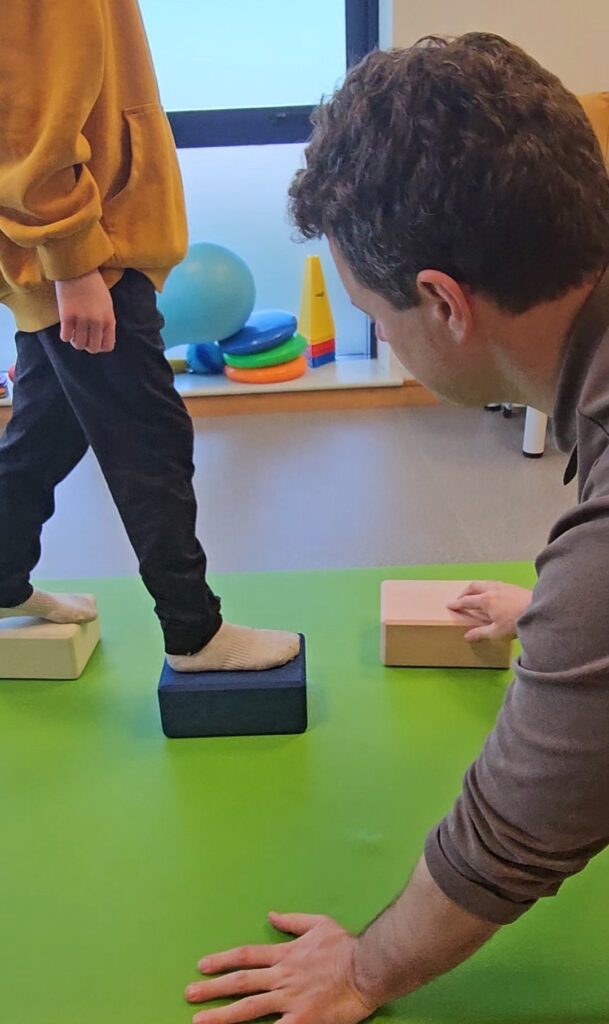
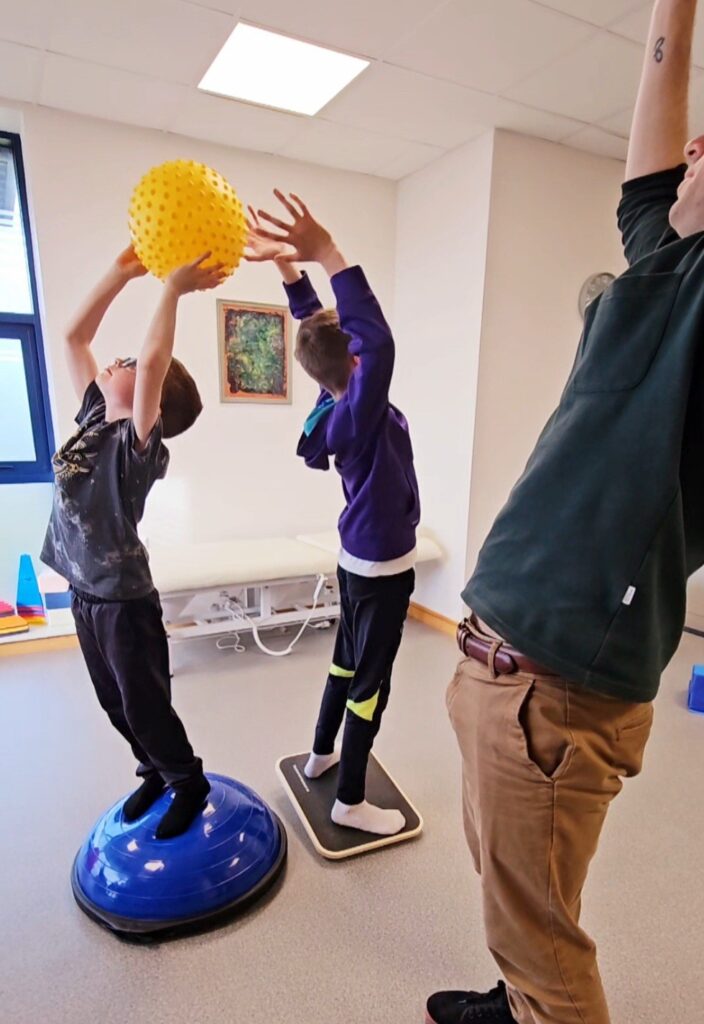
A game may look simple from the outside, but it might be challenging a child’s balance, trunk strength, coordination, proprioception, motor planning or ability to adapt their movement.
The aim is to create an environment where children can work hard without feeling under pressure to perform.
The overall goal is simple: to help your child feel more capable, confident and willing to take part in movement.
Class Structure
-
6-week block
-
45 minutes per class
-
Maximum 4 children per group
-
€225 for 6 classes (€37.50 per class)
Groups are kept intentionally small to allow individual attention and adaptation while still giving children the opportunity to learn and play alongside peers.
Age Groups
MovementLab 1 | 6–7 years
Thursday at 4:15 PM
Maximum 4 children
€225 for 6 classes
MovementLab 2 | 8–9 years
Wednesday at 5:15 PM
Maximum 4 children
€225 for 6 classes
MovementLab 3 | 10–11 years
Wednesday at 4:15 PM
Maximum 4 children
€225 for 6 classes
Important to know
MovementLab is a group-based physiotherapy exercise programme rather than an individual assessment or treatment session.
This class is not designed for children with acute injuries or those who require individualised physiotherapy for concerns such as pain, significant muscle tightness or rehabilitation needs.
Parent information
A parent or guardian must remain on-site for the duration of the class. Observation-based, informal assessment takes place during the block to help guide exercise selection and progression.
Sessions are delivered through demonstration, guidance and encouragement rather than hands-on facilitation.